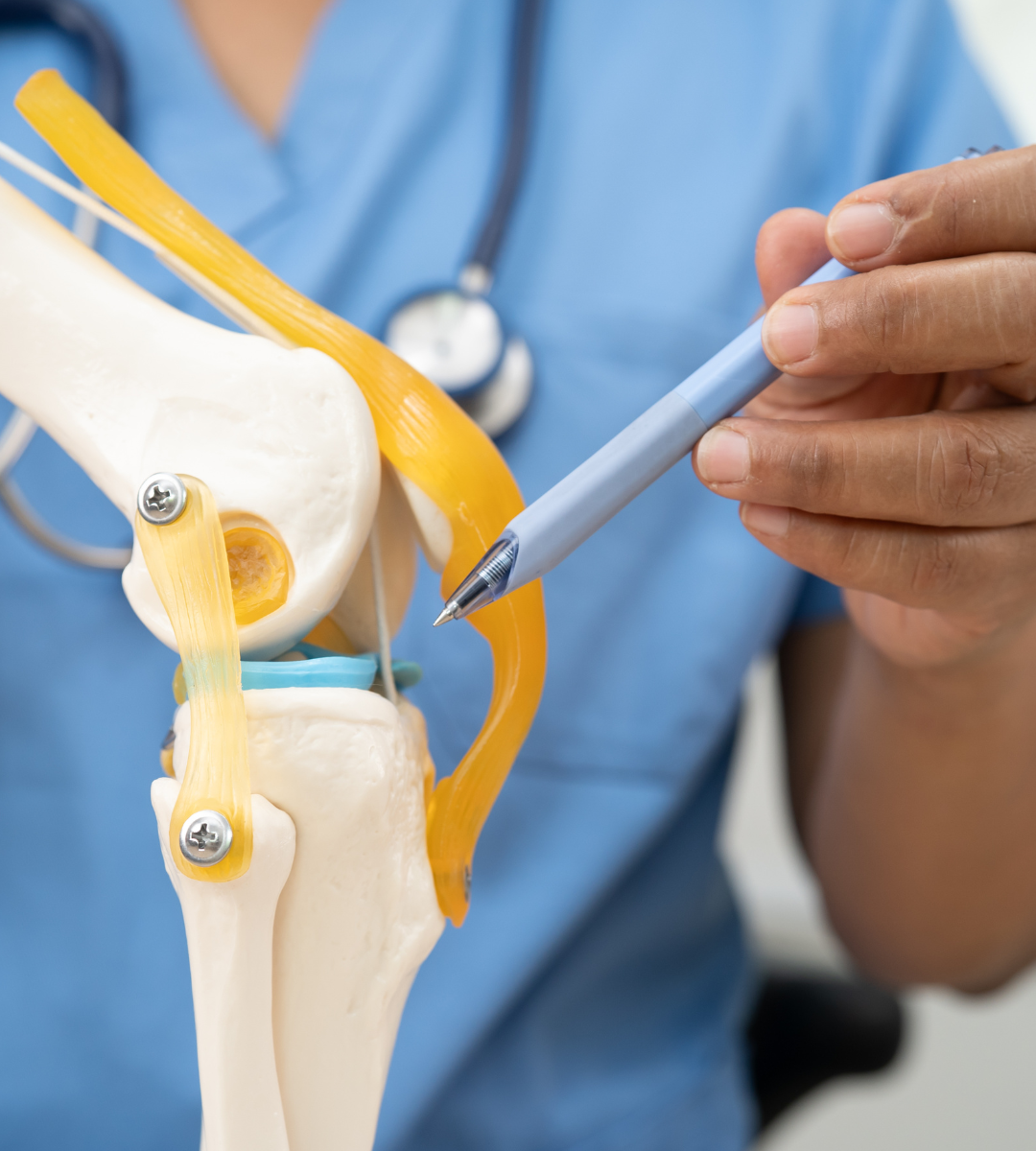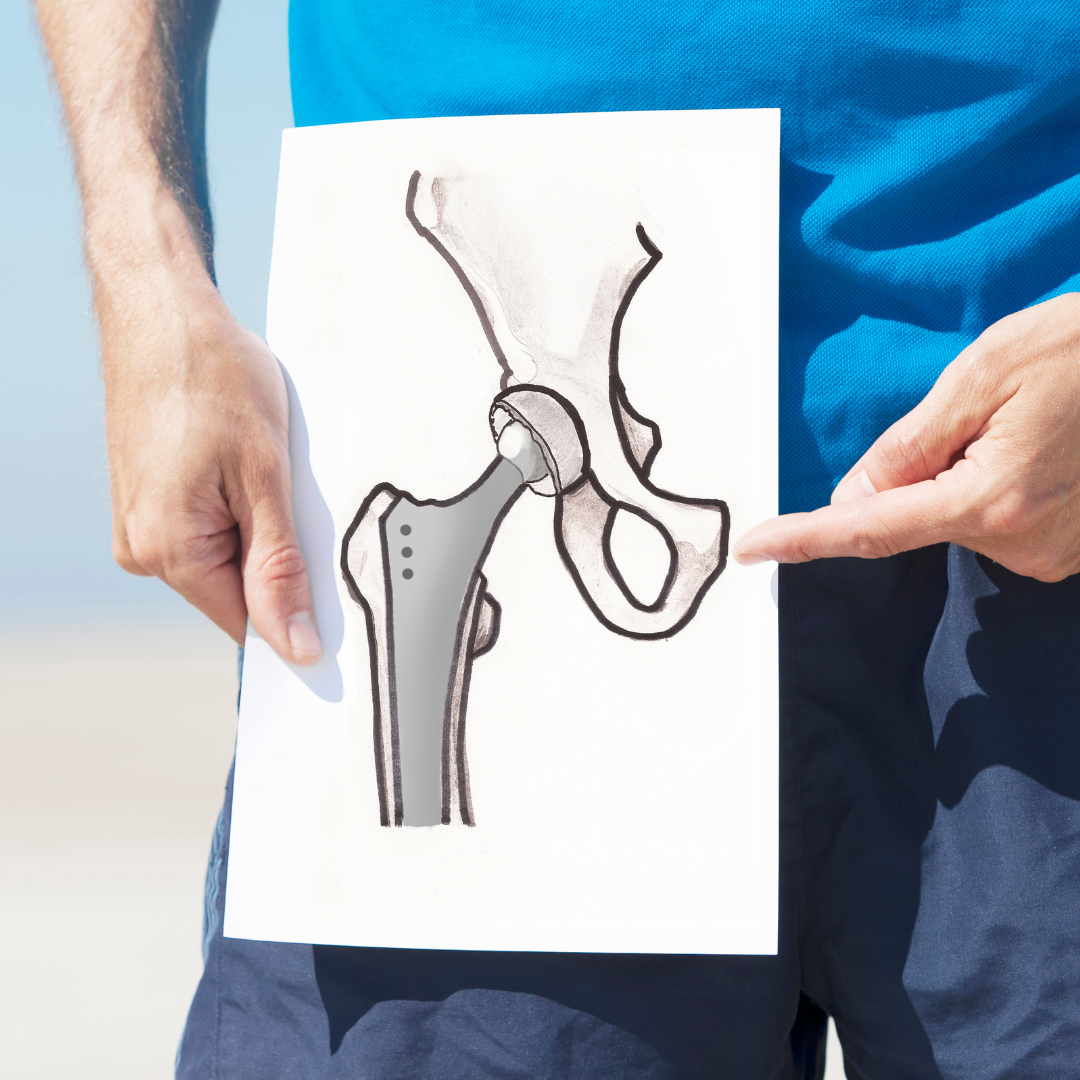
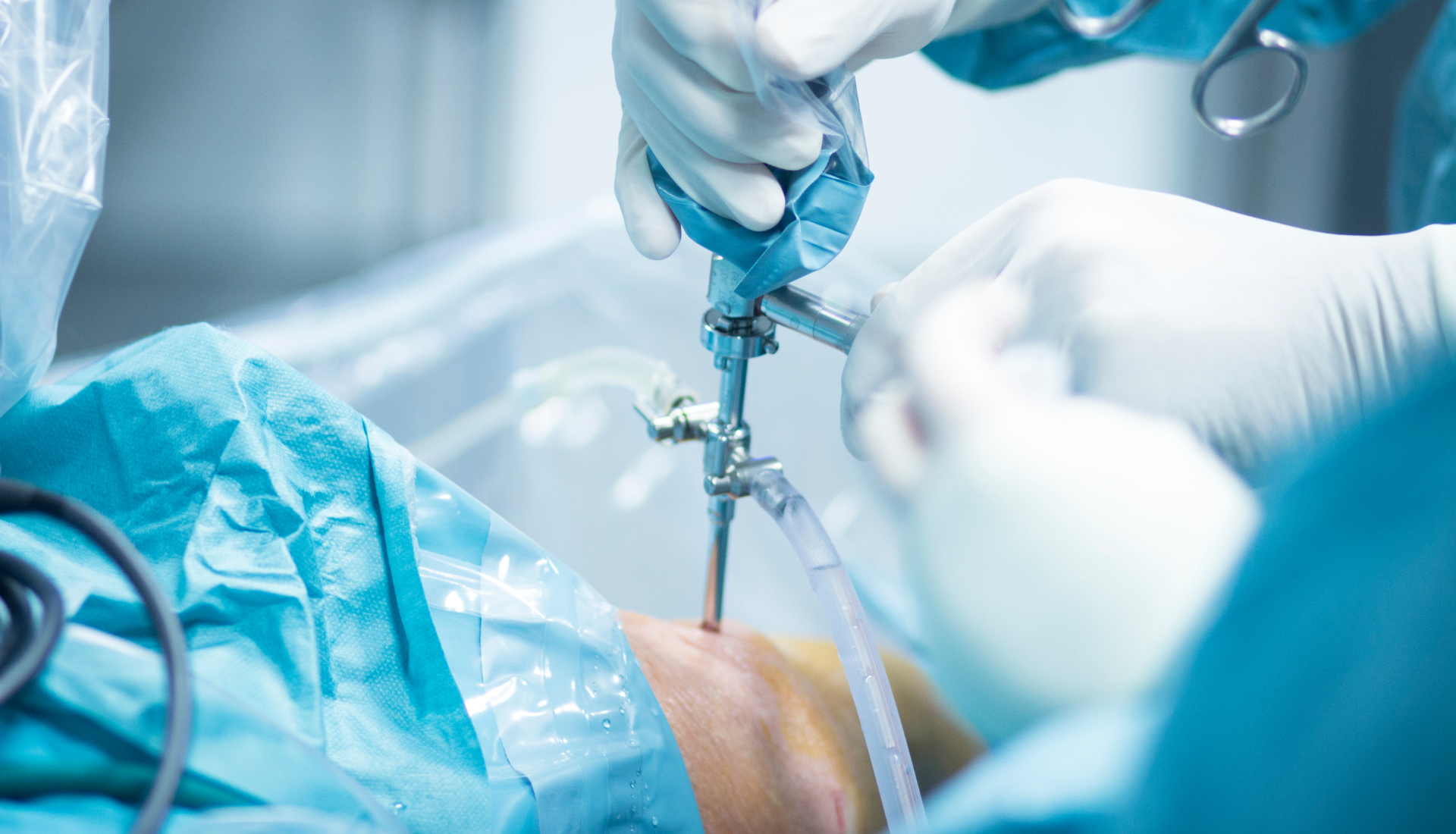
PRP injection is a non-surgical treatment made from a patient’s own blood and used in selected knee pain, tendon injury and sports injury cases. The bottom line: PRP may help mild to moderate knee arthritis or chronic tendon pain, but it is not a magic cartilage-regrowth treatment and it cannot replace surgery when the knee is severely damaged or unstable.
What is PRP injection?
PRP stands for platelet-rich plasma. A small amount of your blood is drawn, processed in a centrifuge and separated so the platelet-rich portion can be injected into the painful or injured area.
Platelets contain growth factors and signalling proteins involved in healing. The goal of PRP is to support the body’s repair response and reduce symptoms in selected musculoskeletal conditions.
How PRP may help knee pain
In knee pain, PRP is most often discussed for mild to moderate osteoarthritis and some soft-tissue injuries. It may help reduce inflammation and improve pain for some patients, especially when combined with exercise, weight control and activity modification.
PRP is not the same as a steroid injection. Steroids are mainly anti-inflammatory and may give faster short-term relief. PRP works differently and may take weeks before the patient notices benefit.
- May reduce symptoms in selected mild to moderate knee arthritis
- May support healing in some chronic tendon problems
- May help patients who want to delay or avoid surgery when appropriate
- Usually works best as part of a full rehabilitation plan
- Does not reliably reverse advanced arthritis or severe joint deformity
Conditions where PRP may be considered
PRP is not used for every knee pain patient. The decision depends on diagnosis, X-ray or MRI findings, age, activity level, arthritis grade, swelling, alignment and previous treatment response.
It is more reasonable in early disease or selected sports injuries than in end-stage arthritis where the joint space is already badly lost.
- Mild to moderate knee osteoarthritis
- Chronic tendon pain around the knee
- Selected ligament or soft-tissue injuries
- Sports injuries that are not improving with rest and physiotherapy
- Persistent joint pain where surgery is not yet the right step
What happens during a PRP procedure?
The procedure is usually done as an outpatient visit. Blood is collected from the patient, processed to concentrate platelets and then injected into the target area under sterile precautions.
In many cases, image guidance such as ultrasound may be used to improve accuracy, especially for tendon or soft-tissue targets. The whole visit may take around 30 to 60 minutes depending on the setup.
- Blood is drawn from your arm
- The sample is processed in a centrifuge
- Platelet-rich plasma is prepared
- The painful joint or tendon area is cleaned
- PRP is injected into the target area
- You are given post-injection activity instructions
Recovery after PRP injection
Some soreness after PRP injection is common. In fact, pain may temporarily increase for a few days because the injection stimulates a local healing response.
Most patients are advised to avoid heavy exercise for a short period and then restart activity gradually. Physiotherapy is often important because PRP alone does not correct weakness, poor mechanics or overload patterns.
- Expect temporary soreness after the injection
- Avoid intense activity until cleared
- Use medicines only as advised by your doctor
- Restart strengthening gradually
- Follow physiotherapy if prescribed
- Track pain, swelling and function over the next few weeks
Who is a good candidate for PRP?
A good candidate is usually someone with a clear diagnosis, mild to moderate joint damage, realistic expectations and willingness to follow rehabilitation.
PRP may be less useful if the knee has severe arthritis, major deformity, bone-on-bone changes, uncontrolled inflammation, infection, major instability or a mechanical problem that needs surgery.
- Mild or moderate arthritis rather than end-stage arthritis
- Pain that has not settled with basic conservative care
- No active infection
- No major untreated instability
- Realistic expectation that PRP may reduce symptoms, not rebuild a new joint
- Commitment to exercise, weight control and activity changes
PRP vs steroid injection vs hyaluronic acid
Patients often compare PRP with steroid or hyaluronic acid injections. Each option has a different role. Steroid injections may reduce inflammation quickly but are not meant to be repeated frequently without caution.
Hyaluronic acid aims to improve joint lubrication in selected arthritis patients. PRP uses the patient’s own platelets and is considered a biologic treatment, but response varies and the evidence is still developing.
- Steroid injection: often faster short-term pain relief for inflammation
- Hyaluronic acid: selected use for joint lubrication and mild to moderate arthritis
- PRP injection: biologic option that may help selected arthritis or tendon cases
- Surgery: needed when structural damage, deformity or instability is too advanced
When PRP is not enough
PRP should not delay necessary surgery when the knee is mechanically unstable, severely arthritic or repeatedly locking. In those cases, the problem is structural and an injection may only give partial or temporary relief.
If pain is due to advanced arthritis, total or partial knee replacement may be more appropriate. If pain follows a twist with locking or giving way, knee arthroscopy or ligament assessment may be needed.
- Severe bone-on-bone knee arthritis
- Major bow-leg or knock-knee deformity
- Repeated knee locking
- Complete ligament tear with instability
- Large meniscus tear causing mechanical symptoms
- Pain that keeps worsening despite conservative care
Originally published on dranilraheja.com.