Hip replacement recovery begins with safe walking soon after surgery, but full recovery is gradual. Many patients return to light daily activities within a few weeks and feel much better by 6 to 12 weeks, while strength, balance and confidence may continue improving for several months. The key is to follow hip precautions, physiotherapy and your surgeon’s activity plan.
The bottom line on hip replacement recovery
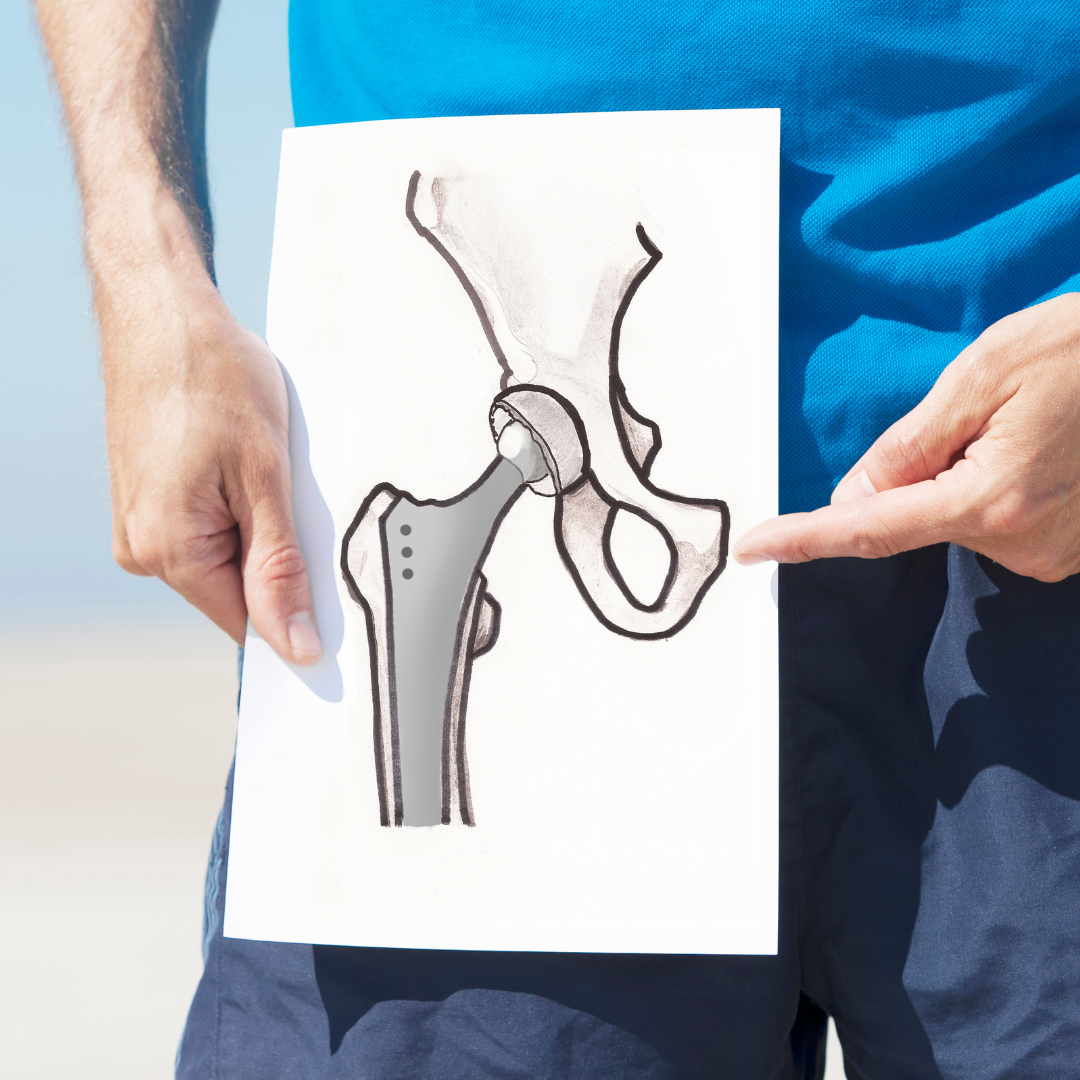
Total hip replacement is done to reduce severe hip pain and restore movement when the joint is badly damaged by arthritis, avascular necrosis, fracture-related damage or other hip conditions.
Recovery depends on age, fitness, bone quality, surgical approach, implant fixation, medical conditions and how consistently rehabilitation is followed. A good recovery is not about rushing. It is about steady progress without dislocation, wound problems or falls.
First 24 to 48 hours after surgery
After surgery, you are monitored as the anaesthesia wears off. Pain control, blood pressure, wound condition and leg movement are checked carefully.
Most patients are encouraged to sit, stand and walk with support as early as safely possible. Early movement helps reduce stiffness and supports blood clot prevention.
- Start assisted walking with walker or crutches
- Learn safe sitting, standing and bed transfers
- Begin ankle, breathing and gentle strengthening exercises
- Understand hip precautions before discharge
- Review medicines, wound care and follow-up instructions
Hospital discharge: what you should be able to do
Before going home, the team checks whether pain is controlled and whether you can move safely. Some patients go home within 1 to 3 days, while others need longer depending on health and recovery speed.
You should know how to use your walking aid, manage basic daily activities and protect the new hip while moving.
- Get in and out of bed safely
- Walk on a level surface with support
- Use the bathroom safely
- Climb a few stairs if needed at home
- Perform prescribed home exercises
- Recognise warning signs that need medical review
Week 1 to 2: home recovery
The first two weeks usually need the most support at home. You may need help with meals, bathing, dressing, medicines and moving around safely.
Pain and swelling are expected but should gradually improve. Keep frequently used items at waist height so you do not need to bend too much.
- Walk short distances several times a day
- Use walker, crutches or cane as advised
- Avoid low chairs and unsafe bending
- Keep the wound clean and dry as instructed
- Take medicines exactly as prescribed
- Do not sit still for long periods
Weeks 2 to 6: movement and confidence
During this phase, walking usually becomes easier and patients start feeling more independent. Physiotherapy focuses on hip strength, balance, safe gait and daily activity.
You may gradually move from walker to cane if your surgeon or physiotherapist says it is safe. Do not stop support too early if you are limping or unsteady.
- Continue prescribed exercises
- Increase walking gradually
- Avoid twisting or sudden turns
- Use raised seating if recommended
- Practice stairs only as advised
- Watch for wound redness, drainage or fever
When can you drive after hip replacement?
Driving is usually considered when you are no longer taking strong pain medicines, can sit comfortably, move the leg safely and react quickly in an emergency.
For many patients this may be around 6 weeks, but the timing varies. Always confirm with your surgeon before driving.
When can you return to work?
Return to work depends on the type of job. Desk work may be possible earlier, while jobs involving standing, travel, stairs, lifting or field work need more time.
Many patients return to lighter work around 6 weeks, but physically demanding work may take several months. The decision should be based on walking confidence, pain control, fatigue and surgeon clearance.
Hip precautions after surgery
Hip precautions vary depending on the surgical approach and your surgeon’s plan. Some patients need stricter precautions than others.
The purpose of precautions is to reduce the risk of dislocation while soft tissues heal and strength returns.
- Do not cross your legs unless cleared
- Avoid very low chairs or toilets
- Avoid bending deeply at the hip if restricted
- Avoid sudden twisting movements
- Use support while bathing and dressing if needed
- Ask before sleeping on the operated side
After 3 months: long-term activity
Many patients are doing well by around 3 months, but improvement can continue through the first year. The new hip can reduce pain and improve mobility, but it should still be protected from high-impact stress.
Low-impact activities are usually preferred because they support fitness without overloading the implant.
- Walking
- Swimming after wound healing and clearance
- Cycling or stationary bike
- Golf
- Light hiking
- Low-impact strengthening
Warning signs after hip replacement
Some soreness and swelling are normal after hip replacement, but certain symptoms need urgent medical advice.
Do not ignore signs of infection, blood clot, dislocation or sudden worsening pain.
- Fever or chills
- Increasing wound redness, warmth or drainage
- Sudden severe hip pain
- New inability to bear weight
- Leg appearing shortened or rotated
- Calf pain or sudden leg swelling
- Chest pain or shortness of breath
Originally published on dranilraheja.com.